One of the biggest choices you’ll face is whether to go with a contrasting grout or one that blends in. Dark grout with light tiles? That’s drama. It outlines each tile, making patterns pop and giving your space a bold, graphic look. Think subway tiles with black grout—it’s edgy, modern, and totally Instagram-worthy.
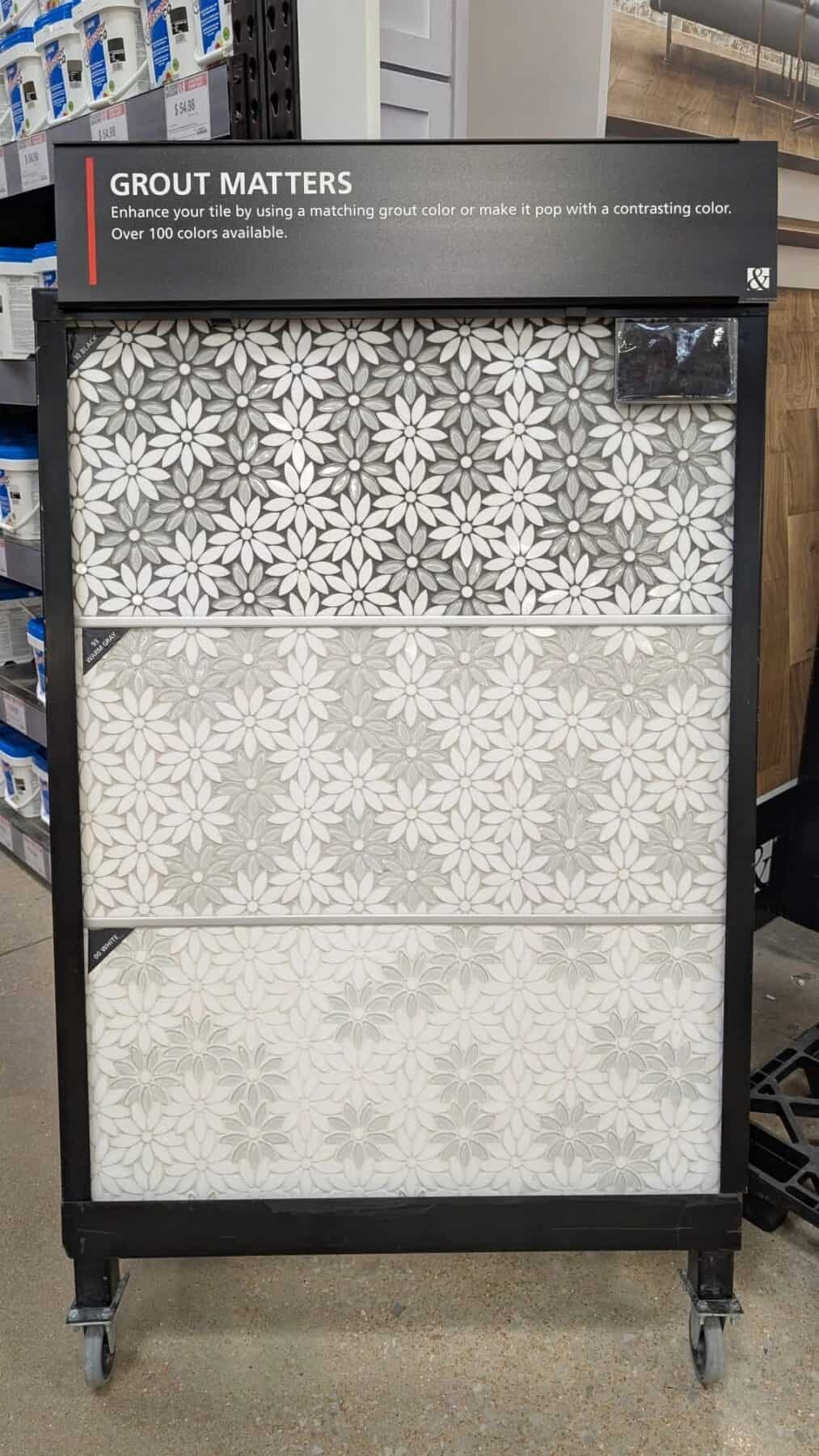
But not everyone’s into that high-contrast vibe. Some people feel dark grout looks dirty, especially in bathrooms where cleanliness is king. It can also highlight imperfections in tile alignment or spacing. So if your tiling job isn’t laser-precise, dark grout might not be your best friend.
On the other hand, light grout blends in creating a softer, more seamless look. It’s great for making small spaces feel bigger and less busy. White grout with white tiles? Classic, clean, and timeless. But it’s not without its challenges…
Let’s be real—light grout is a magnet for stains. In high-traffic areas like kitchen splashbacks or behind a stovetop, it can go from crisp white to “what even is that colour?” in no time. Tomato sauce, oil splatter, curry—your grout sees it all. And unlike tiles, grout is porous, so it absorbs stains like a sponge.
So what do you do? You’ve got options:
- Seal it: Always seal your grout, especially if it’s light. A good sealant creates a barrier that helps resist stains and makes cleaning easier.
- Choose stain-resistant grout: Epoxy grout is pricier but way more durable and stain-resistant than traditional cement-based grout.
- Go slightly darker: If you love the look of light grout but hate the maintenance, consider a soft grey or beige. It still blends nicely but hides stains better than stark white.

The area behind your stovetop is grout’s battleground. It’s where heat, grease, and food splatter all converge. If you’re tiling this zone, grout colour becomes even more important.
Light grout here can be risky unless you’re committed to regular cleaning. Even with sealant, it’ll need TLC. Dark grout, on the other hand, hides stains better and can give your kitchen a sleek, industrial look. Just be sure it complements your tile colour—black grout with cream tiles can look harsh if not balanced with other elements in the room.